loom and land

Chizami 01

The Cloth of a Feast

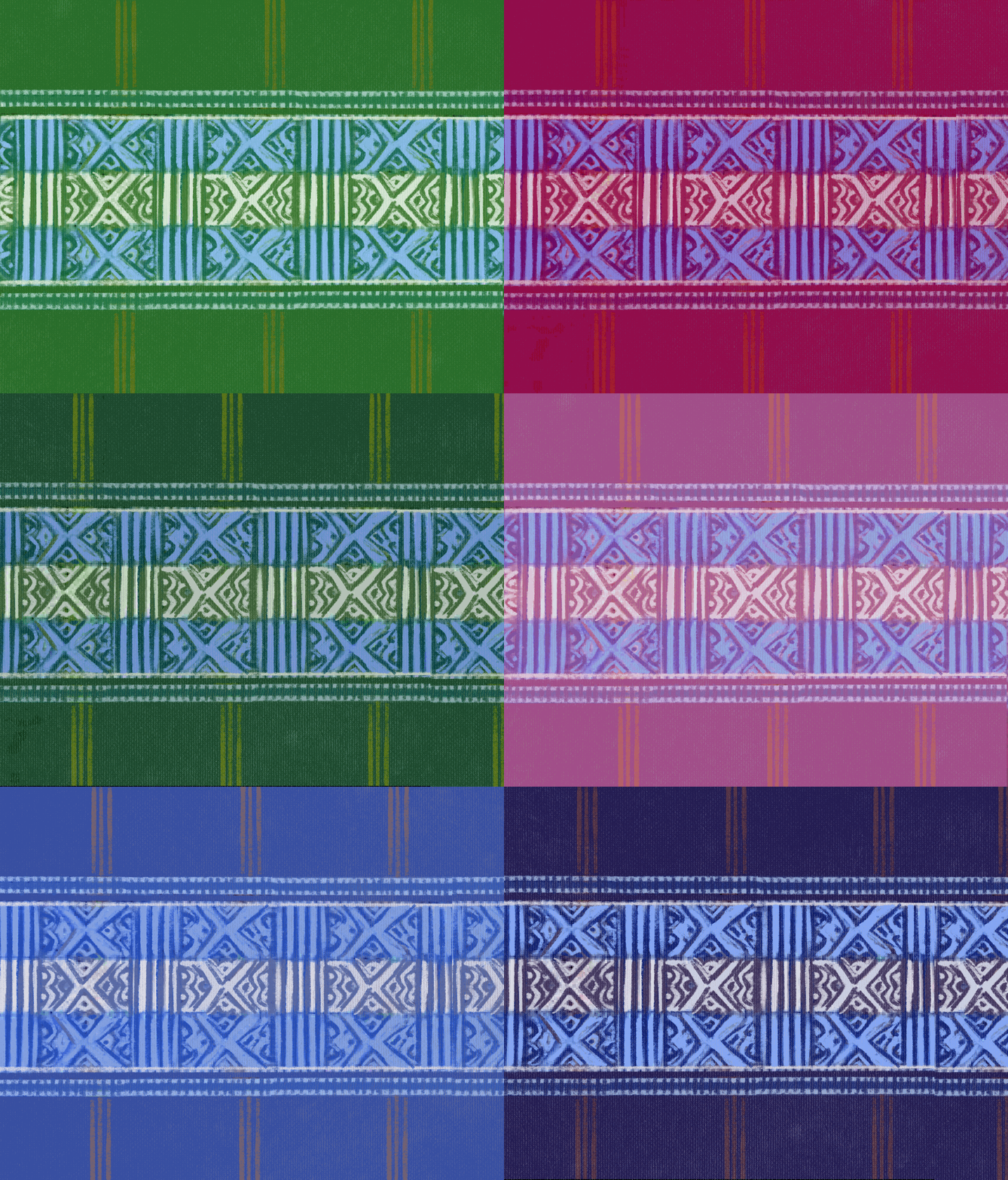
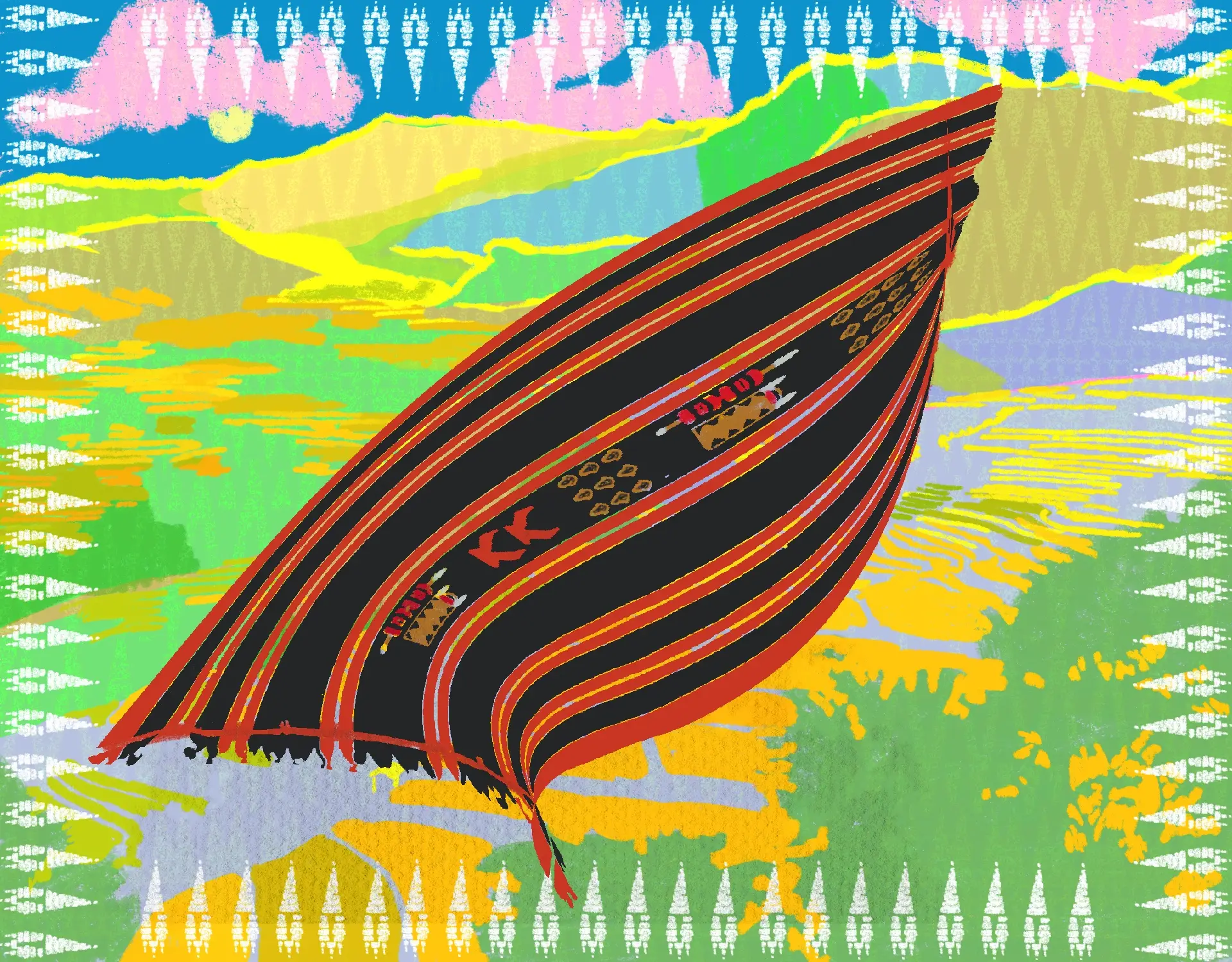
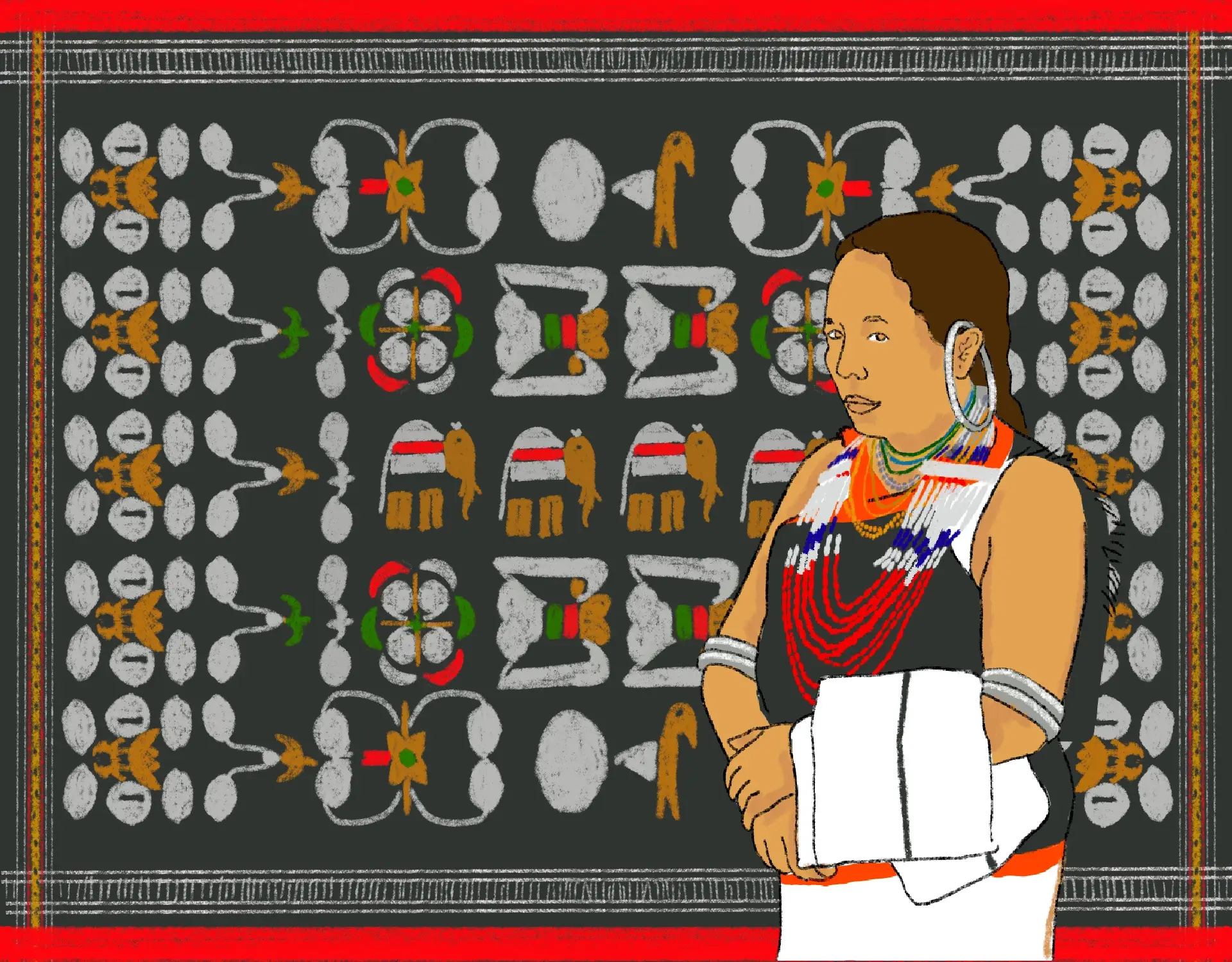
In Chakhesang communities, cloth can mark a place in the life of a village. The *Tshuketsura* is worn by those who have hosted feasts for the community, its threads carrying the memory of a collective gathering. The shawl signifies an achievement made possible through generosity, labour and the recognition of one’s community.
Chizami 02

The Cloth and the Place

Chizami lies in Phek district, in the hills of Nagaland. Here, weaving has long belonged to everyday life, practised for use, ceremony and community. Shaped by the rhythms of village life and the surrounding landscape, the practice has developed through generations of making, wearing and sharing cloth.

Chizami 03

The Body of the Loom

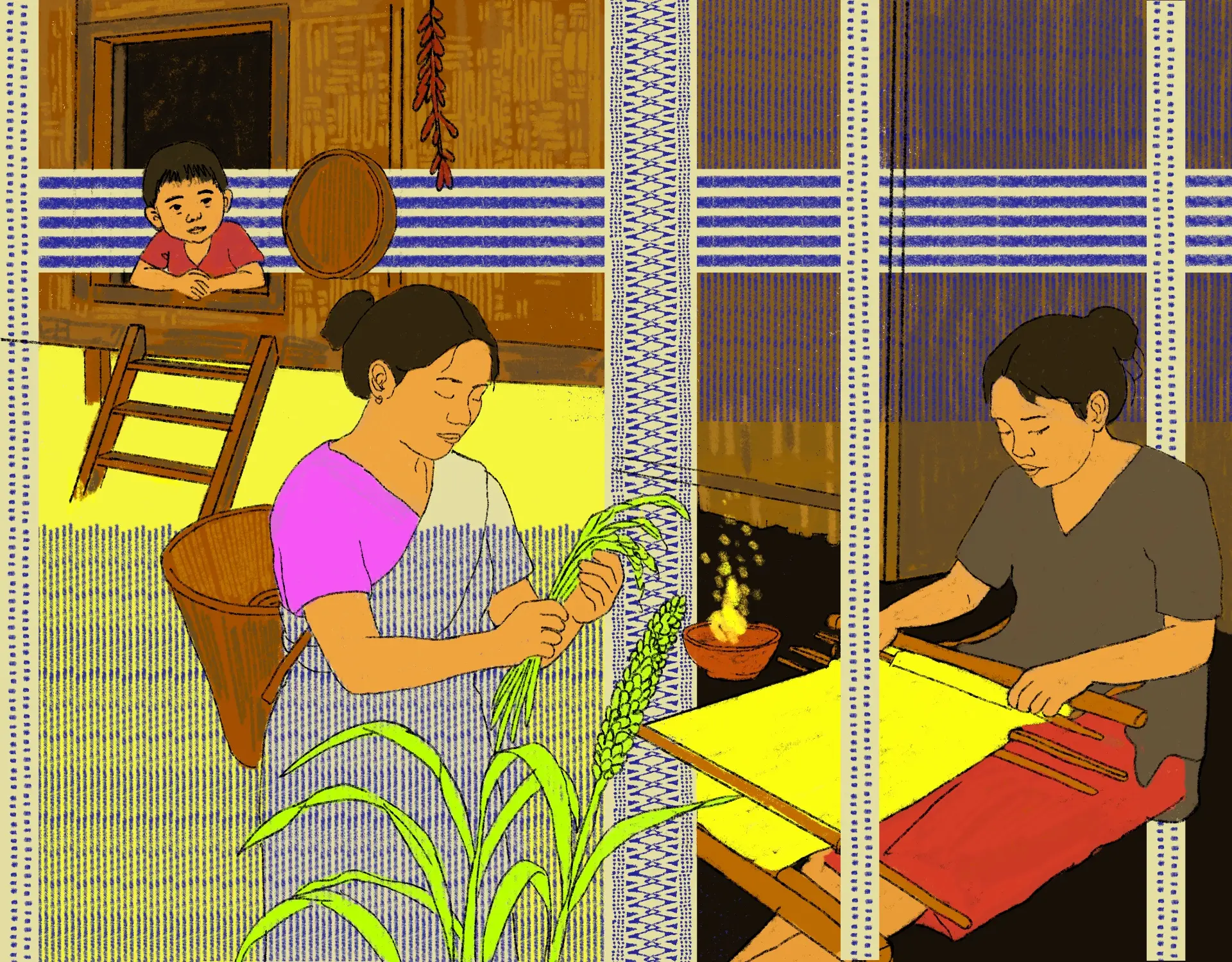
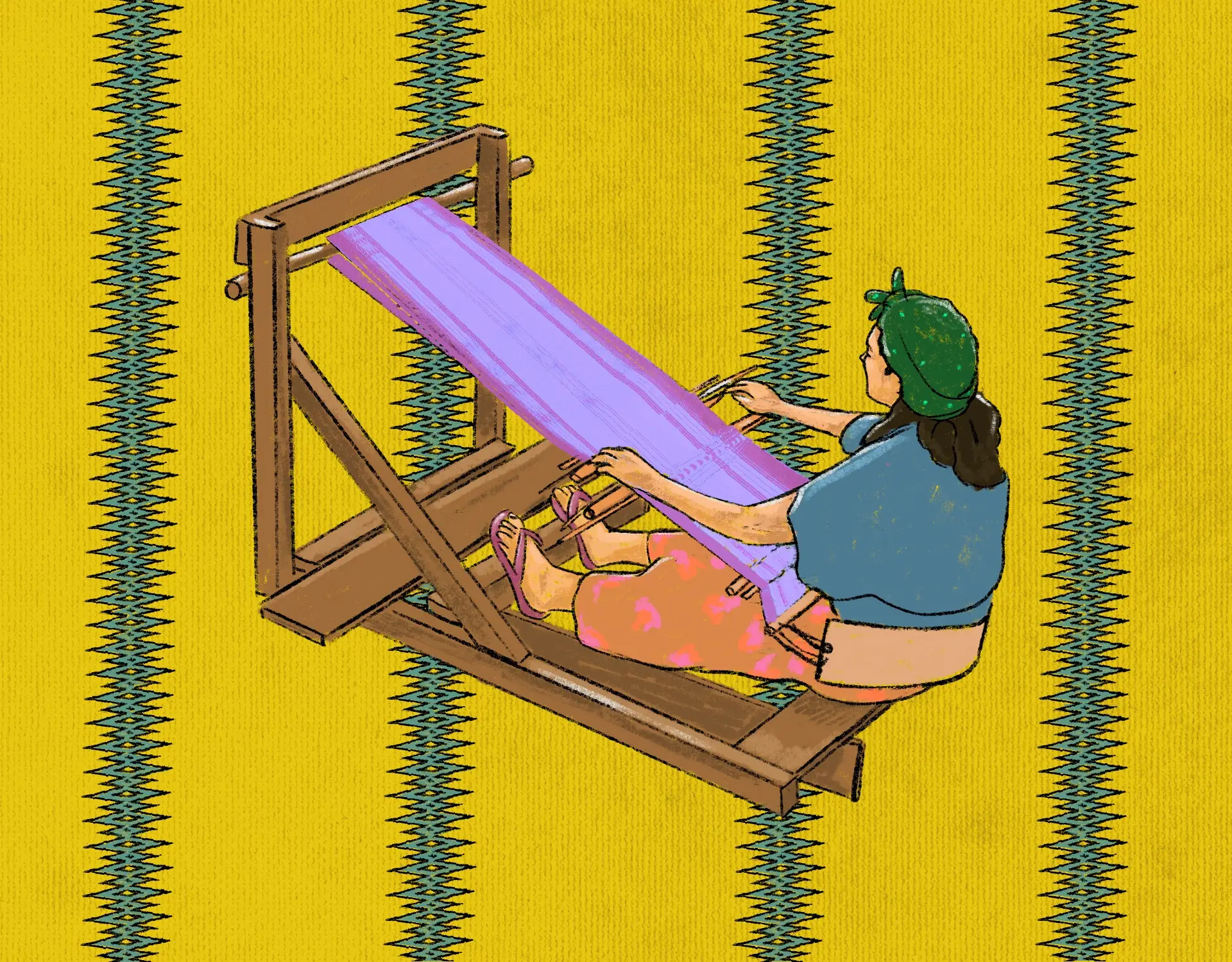
The loom is fastened to the weaver’s body. Every movement depends on the tension between her hands, her back and the threads stretched before her. The work is intimate and exacting, learned through practice and repetition. Each narrow panel will eventually be stitched into a larger cloth, carrying patterns and techniques passed between generations.

Chizami 04

Between Field and Fire

Most of these women are farmers first. Weaving takes its place between harvest and dusk, alongside tending jhum land, preparing food and raising children. Field, hearth and loom belong to the same economy of subsistence, each sustaining the other. For generations, cloth was made primarily for the household and community, not for a distant market. Its value was woven into the rhythms of living.

Chizami 005

A Pattern Changes Scale

The grammar of the weave remains, even as its forms change. Patterns once carried on the body find new lives in table runners, bags, belts and stoles, made for different uses and audiences. Entering the market does not necessarily mean leaving tradition behind. It asks how inherited knowledge might travel, and what must be preserved as it does. The challenge is to create new possibilities for the cloth without severing it from the people and histories that made it.

Chizami 06

The Land Enters the Loom

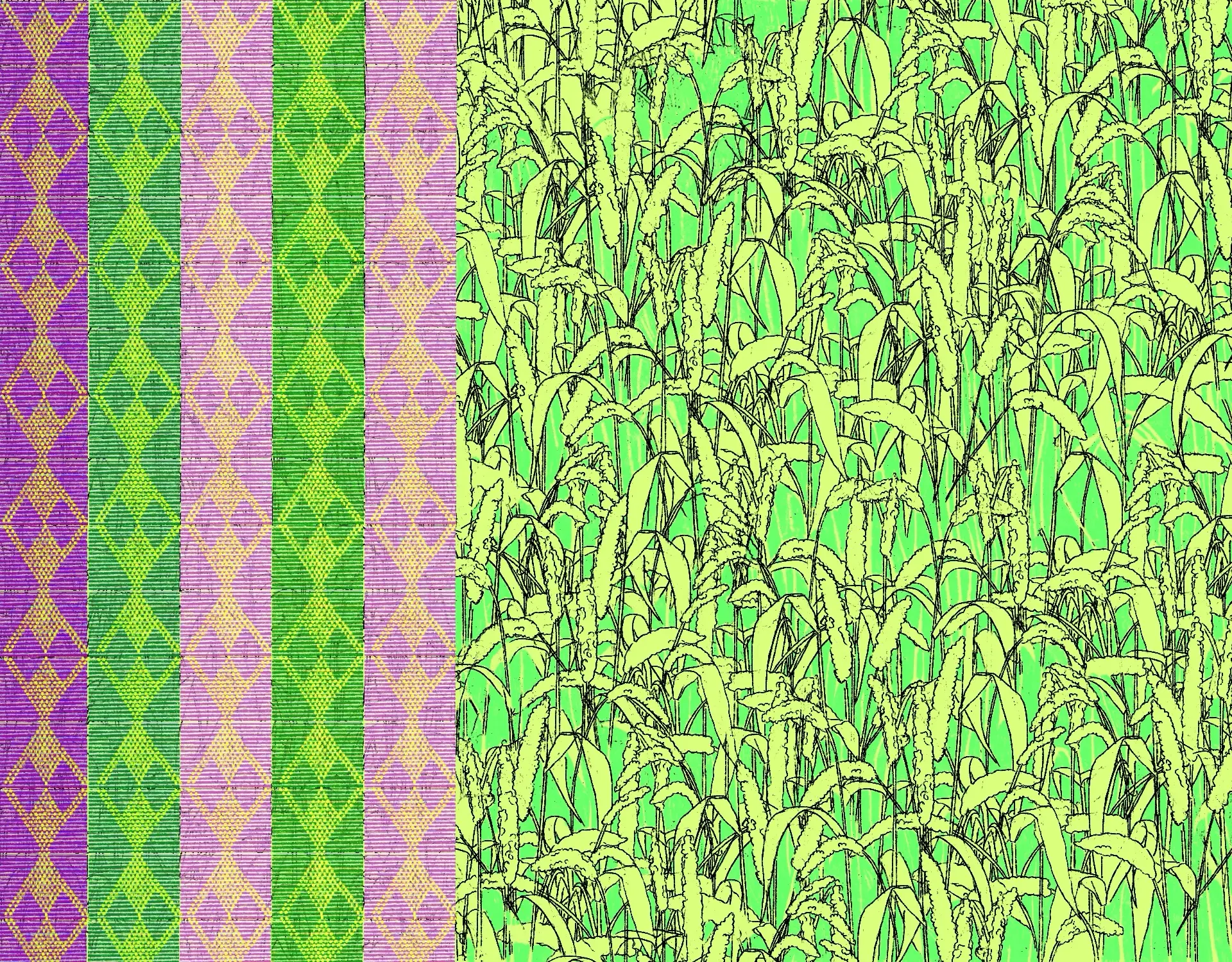
The materials of weaving are part of a larger ecological world. As farming traditions and local food systems are revived, millet once dismissed as food for the poor returns to the fields, alongside seeds, recipes and knowledge of biodiversity. Nettle, too, offers a new fibre: strong, pale and laborious to process. These practices connect the future of weaving to the future of the land. Change arrives not as a clean break with the past, but as another thread added to it.

Chizami 07

The Work of Many Hands

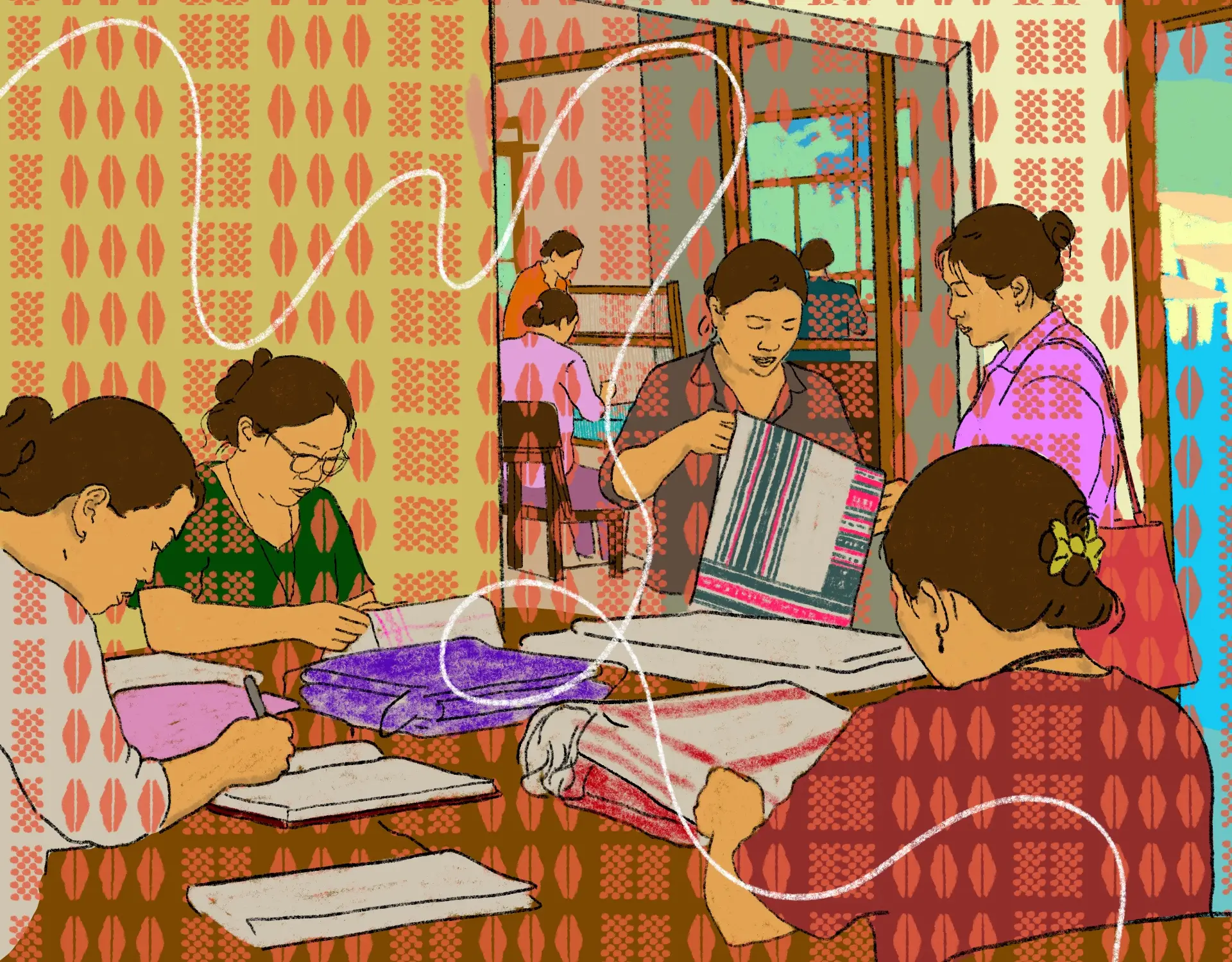
Twice a week, on Tuesdays and Thursdays, the women gather at the Chizami Weaving Unit. What begins in one household becomes part of a collective process: yarn circulates, cloth returns, records are kept. The unit is part of a wider women’s organisation working across Assam, Meghalaya and Nagaland. Its work grew from rights advocacy into livelihoods, governance and land, connecting the labour of individual women to a larger struggle for recognition and autonomy.

Chizami 08

The Journey of Cloth

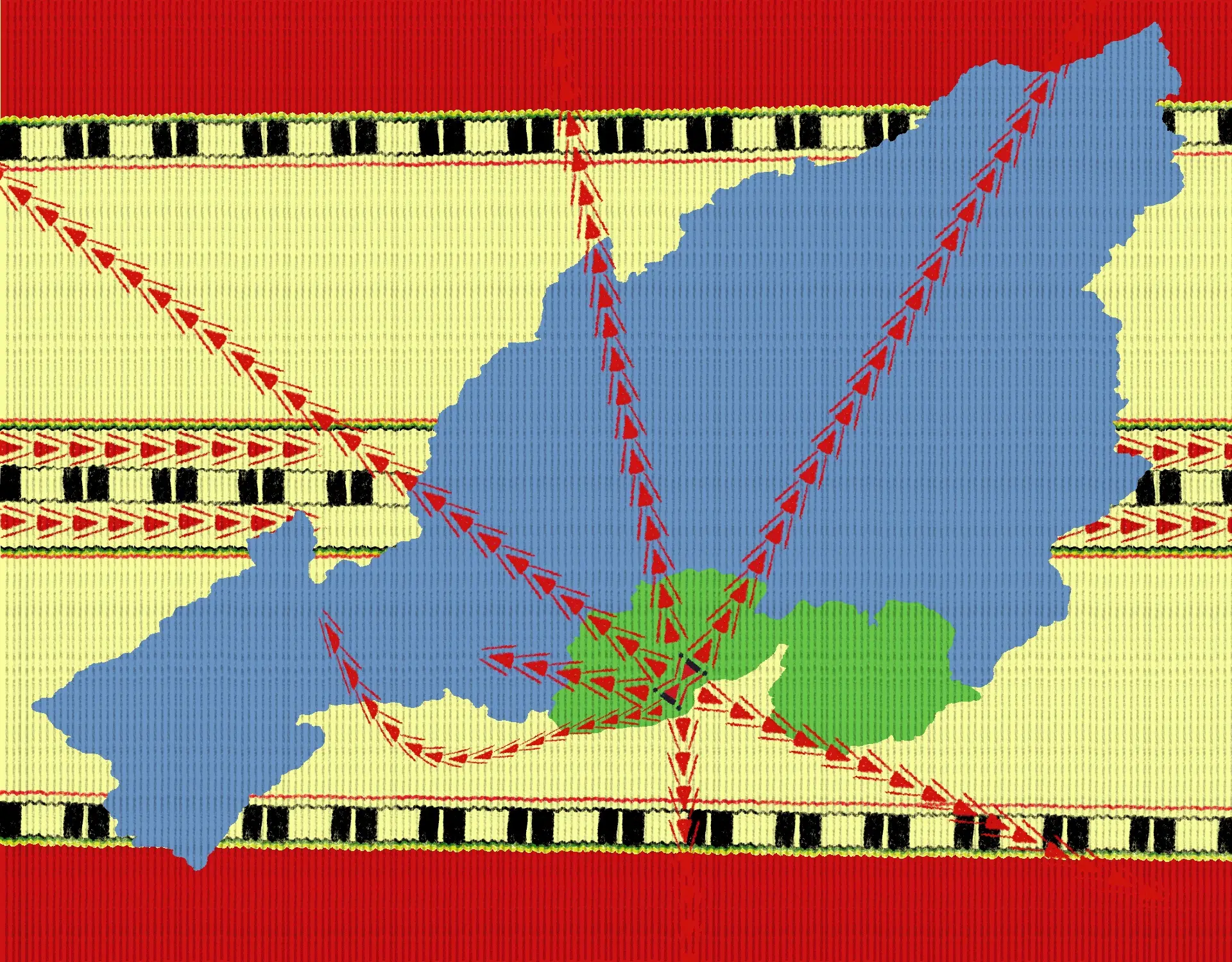
As the textiles travel beyond Chizami, the terms of weaving begin to change. Women who once produced primarily for their households now negotiate wages and participate in a wider women’s union of over a thousand members. Their labour enters new economic relationships, while their demands for recognition as producers become part of a broader struggle for rights. The journey of the cloth is also a journey towards greater economic agency, even as questions of value, visibility and ownership remain.

Chizami 09

The Hills Remember

Knowledge here moves through hands, stories, fields and cloth. It is practised, adapted and increasingly documented by the communities who hold it. To weave in Chizami is to move between ritual and livelihood, between land rights and the marketplace, between inherited patterns and new fibres. The threads bind more than cloth: they connect women to wages, memory to material, and the loom to the land that sustains it.

Mist lifts over Chizami’s hills. Terraced fields emerge from the haze, shaped by generations of cultivation. The landscape holds its own archive of labour and knowledge, as the work of weaving continues, thread by thread.

Scroll to Top