The World in Chintz
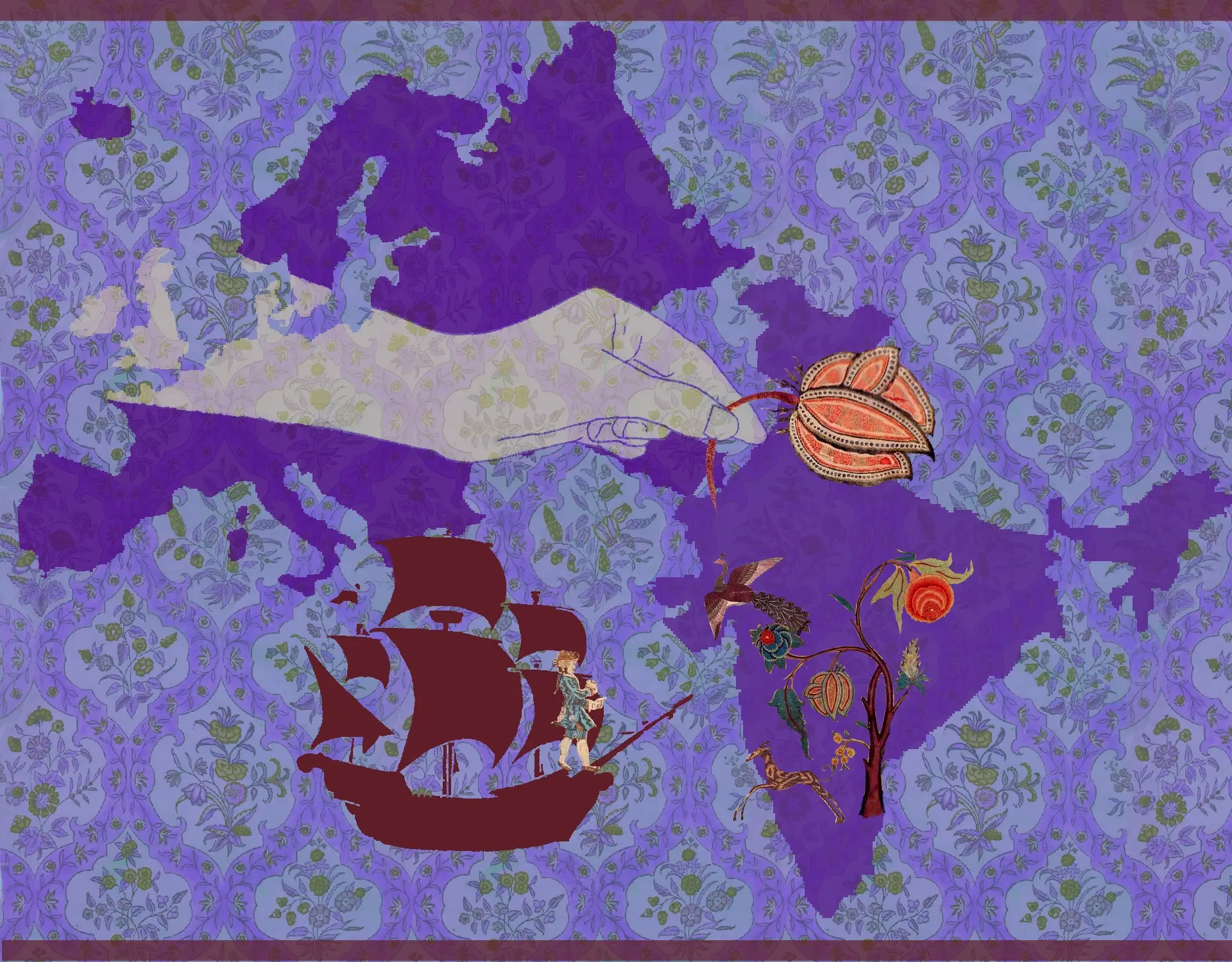
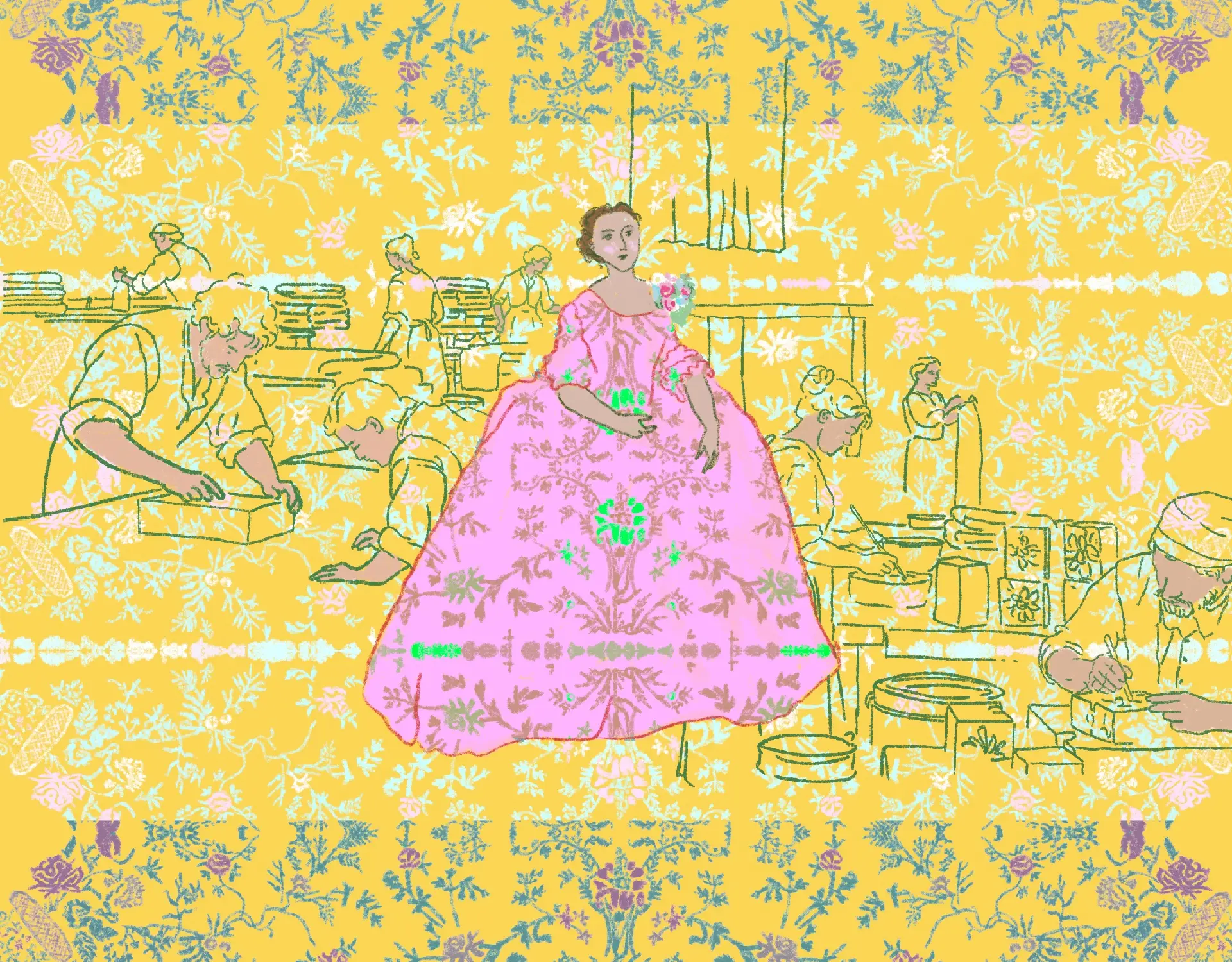
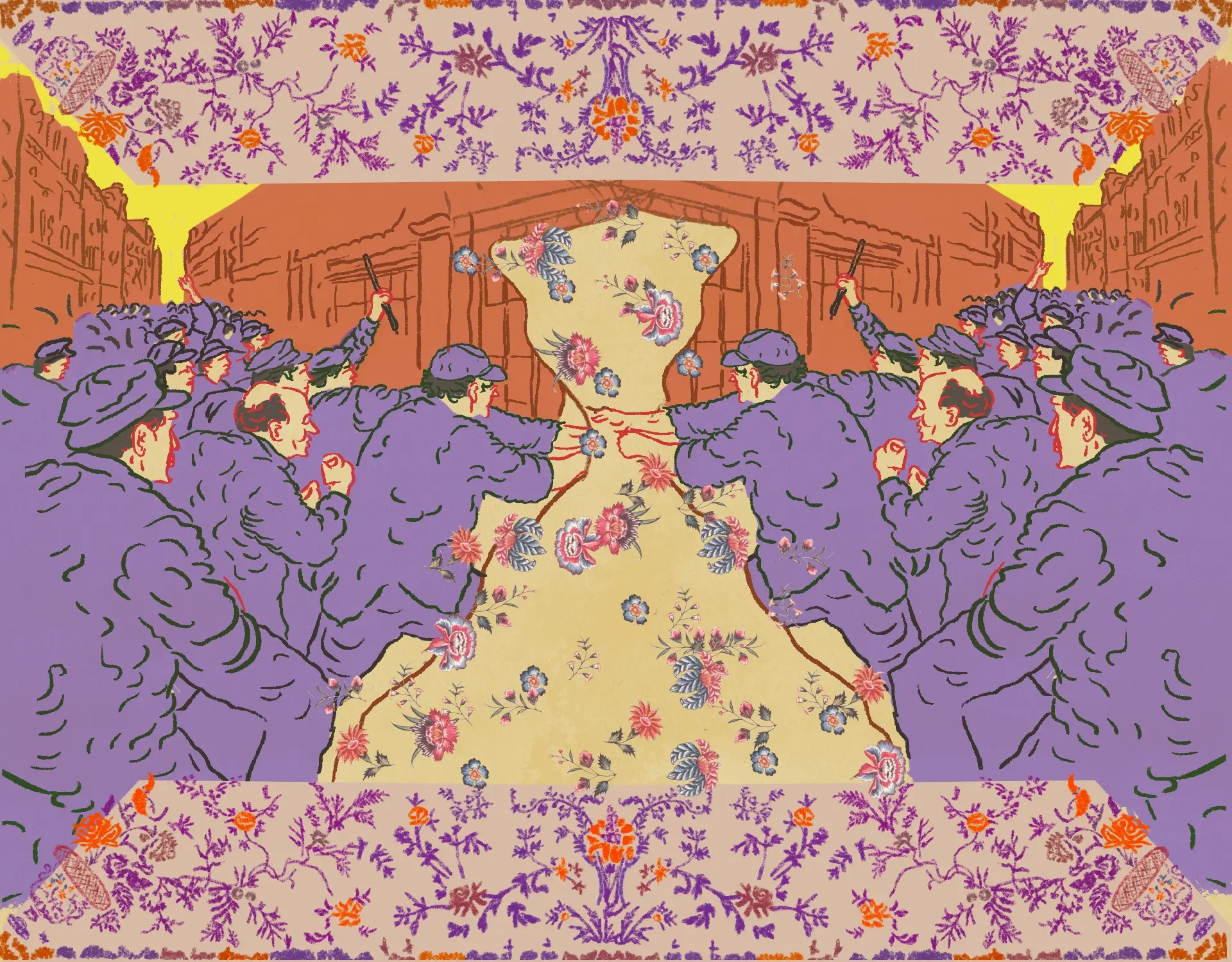
For two centuries, from 1600 to 1800, India was the world’s greatest exporter of textiles, with its fabrics reaching markets across the globe. Their influence even entered the English language: calico, dungaree, khaki, pyjamas, sash and seersucker all have Indian origins. Of these, chintz carried a particularly charged history. Its importation revolutionised European taste and fashion, challenged established textile industries and provoked political controversy powerful enough to threaten governments.
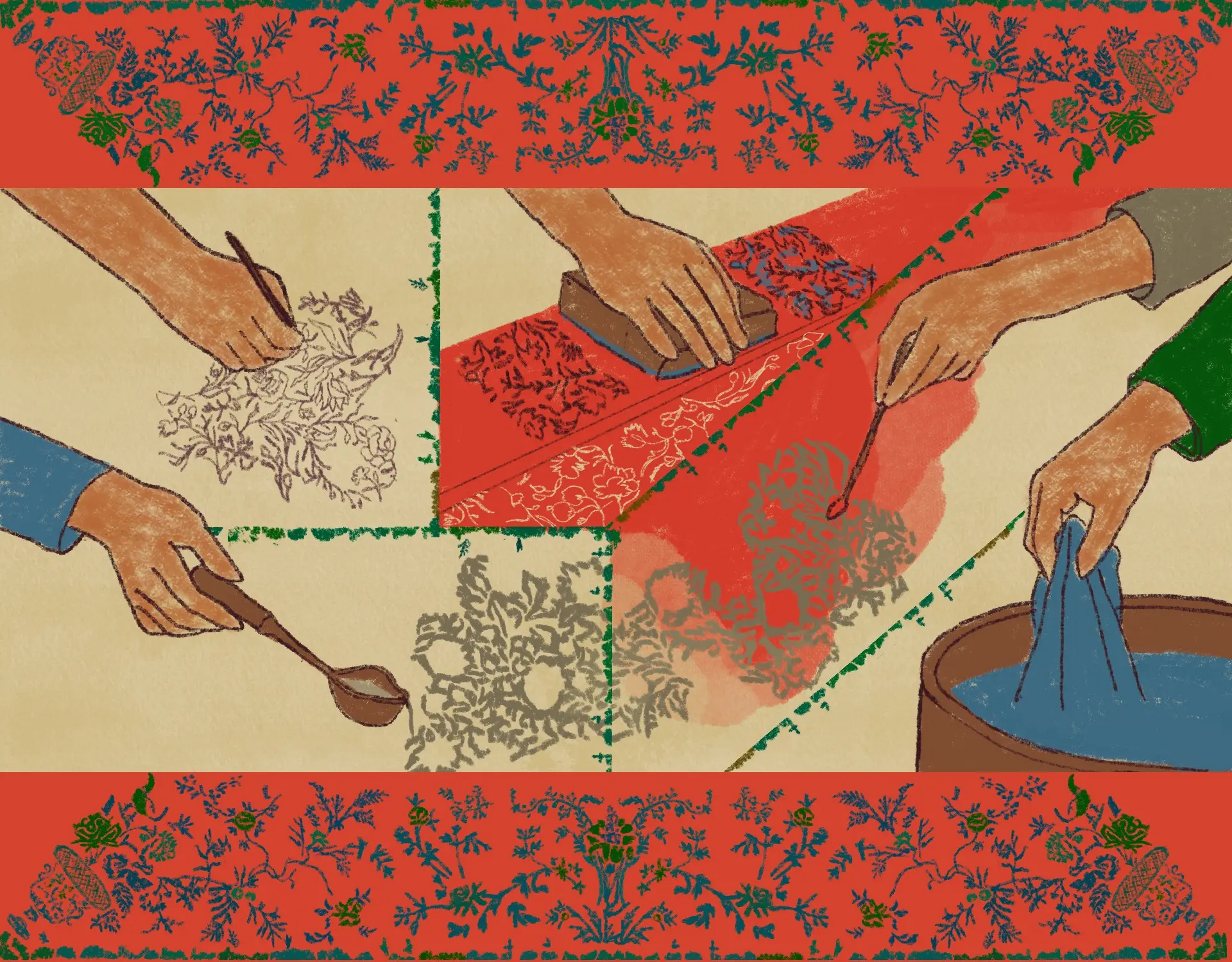
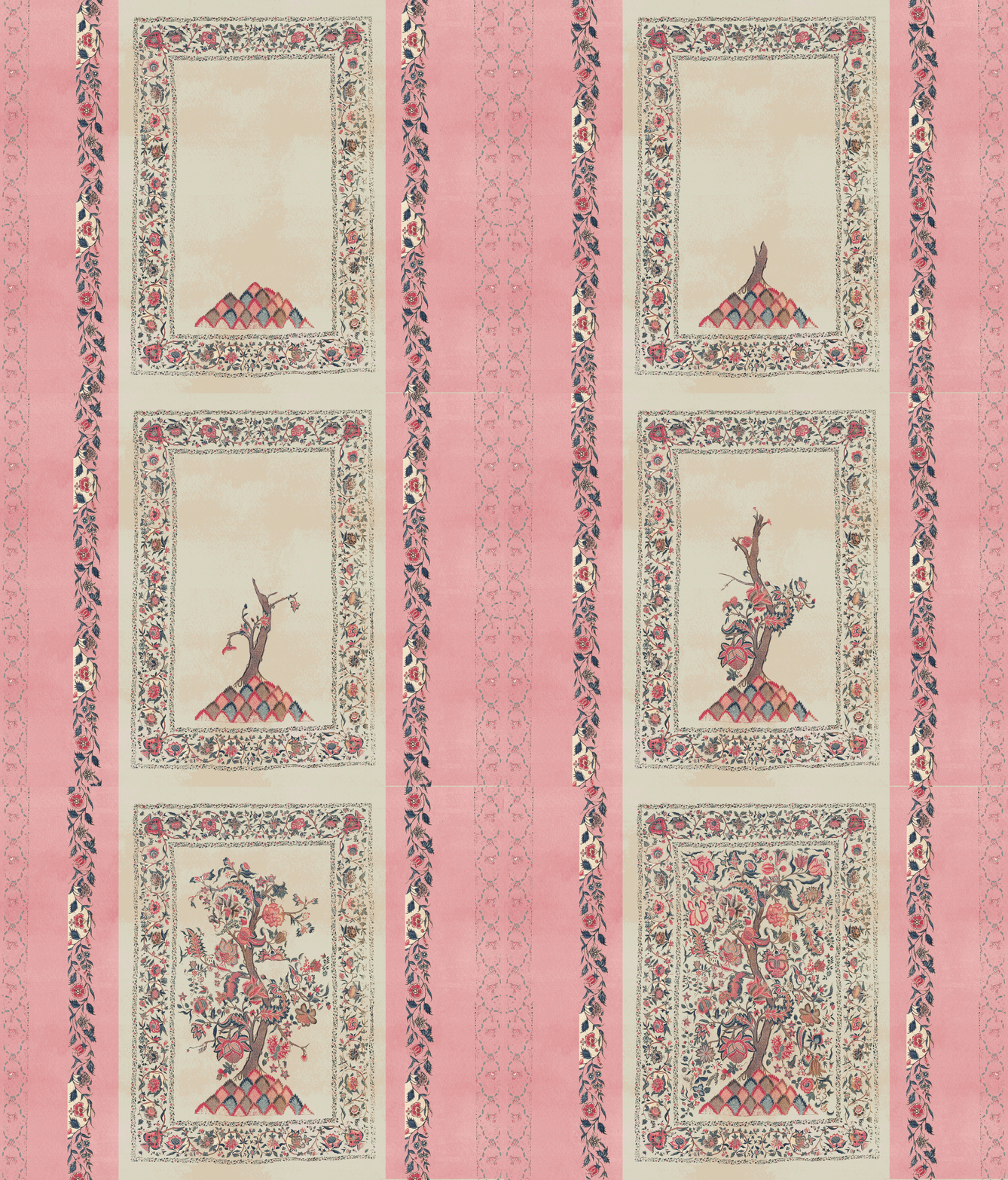
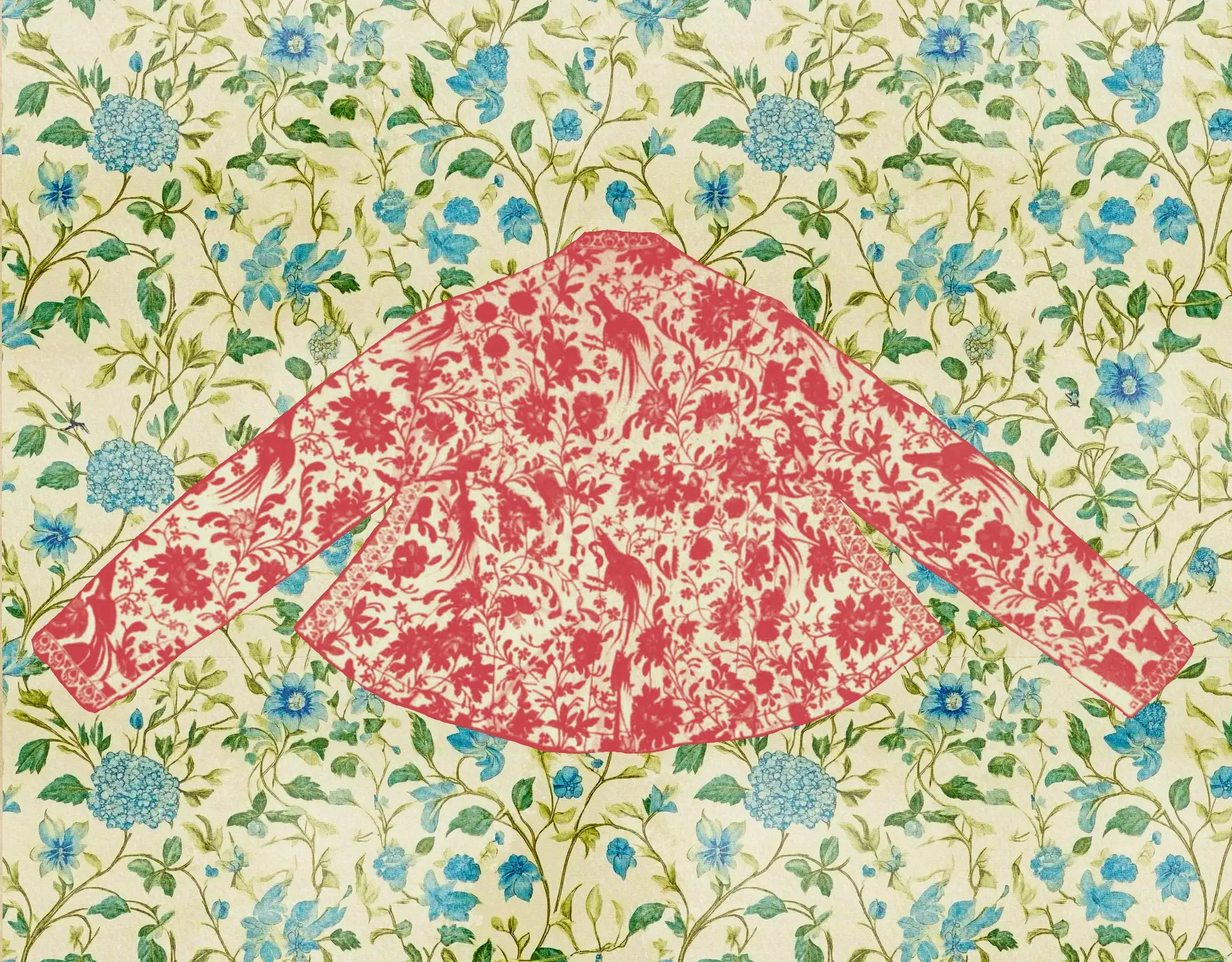
Today, chintz describes any cotton or linen furnishing fabric with a floral pattern. In the eighteenth century, however, the term referred specifically to Indian cotton textiles made for European markets using specialised mordant and resist-dyeing techniques.