Jadunath supakar and the threads of banaras

Jadunath Supakar 01

Birth of a designer

A young boy in Odisha grows up surrounded by folk art and temple cloths.

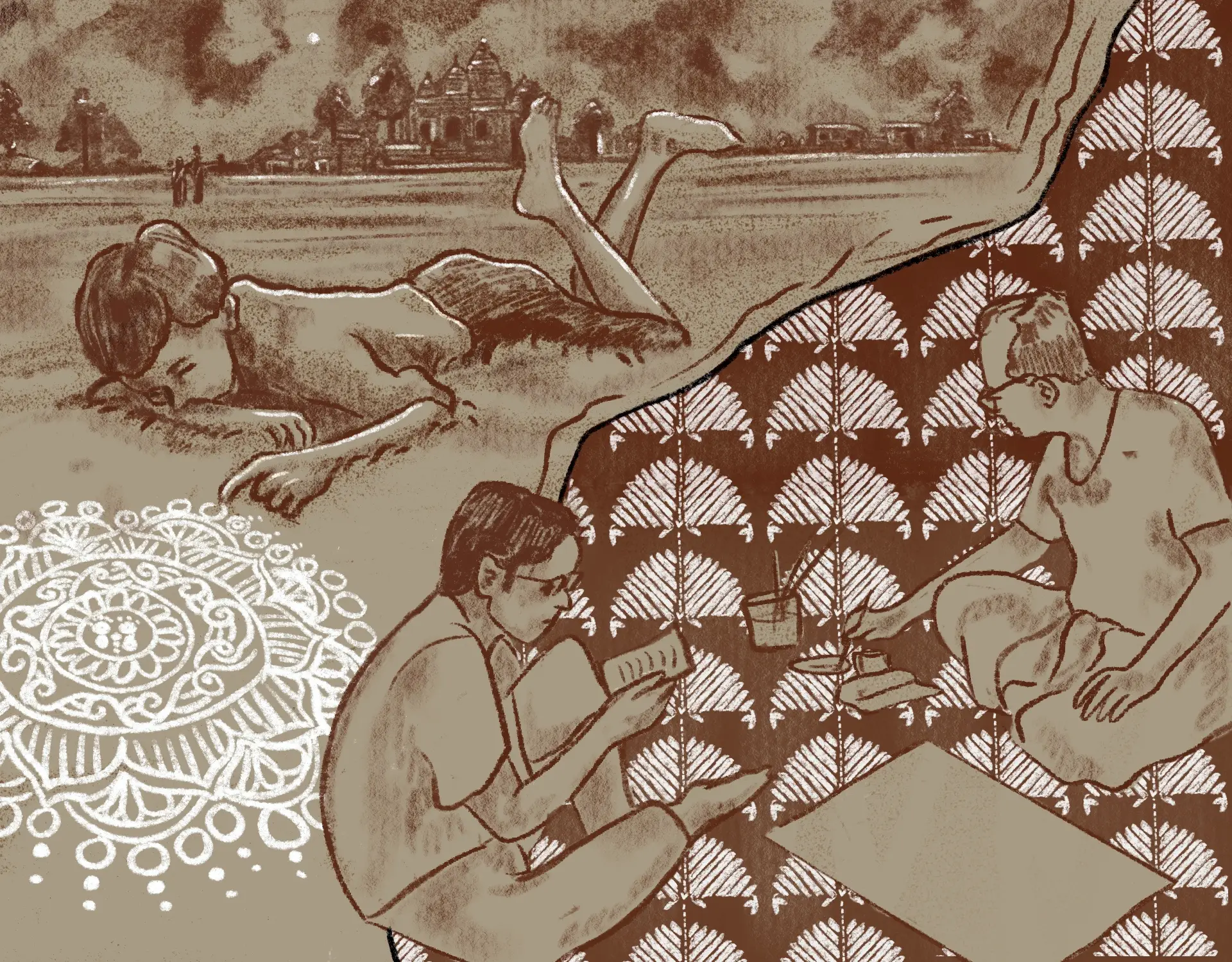
He sketches patterns on the ground with twigs, fascinated by rhythm and repetition.
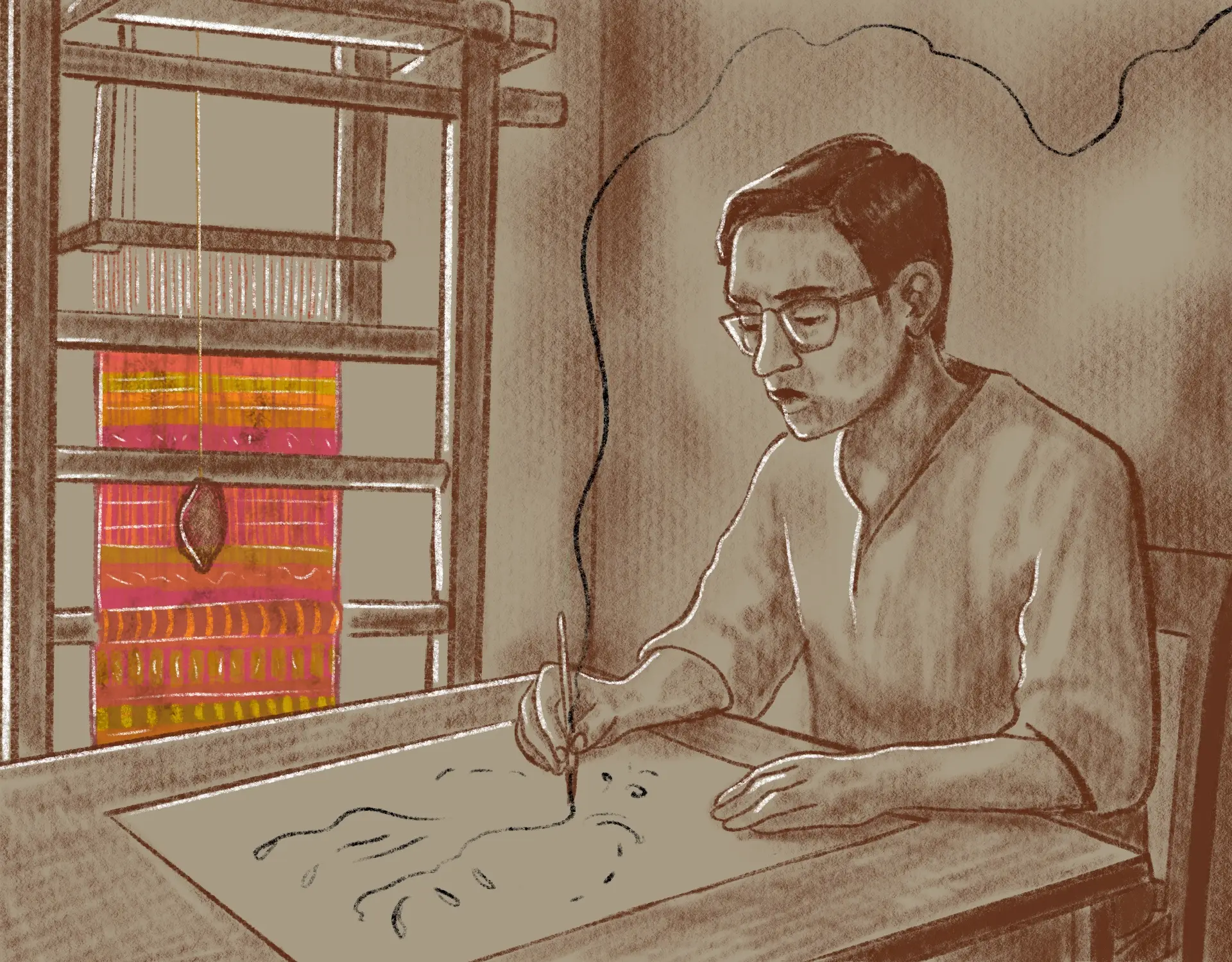
Years later, at Santiniketan, he studies under Nandalal Bose, learning that beauty lives in balance, line, and everyday craft.
Jadunath Supakar 02

A calling towards cloth

At Santiniketan, Jadunath begins to see painting and weaving as one language – colour and structure intertwined.
He dreams of taking this sensibility into the world of handloom.

Jadunath Supakar 03

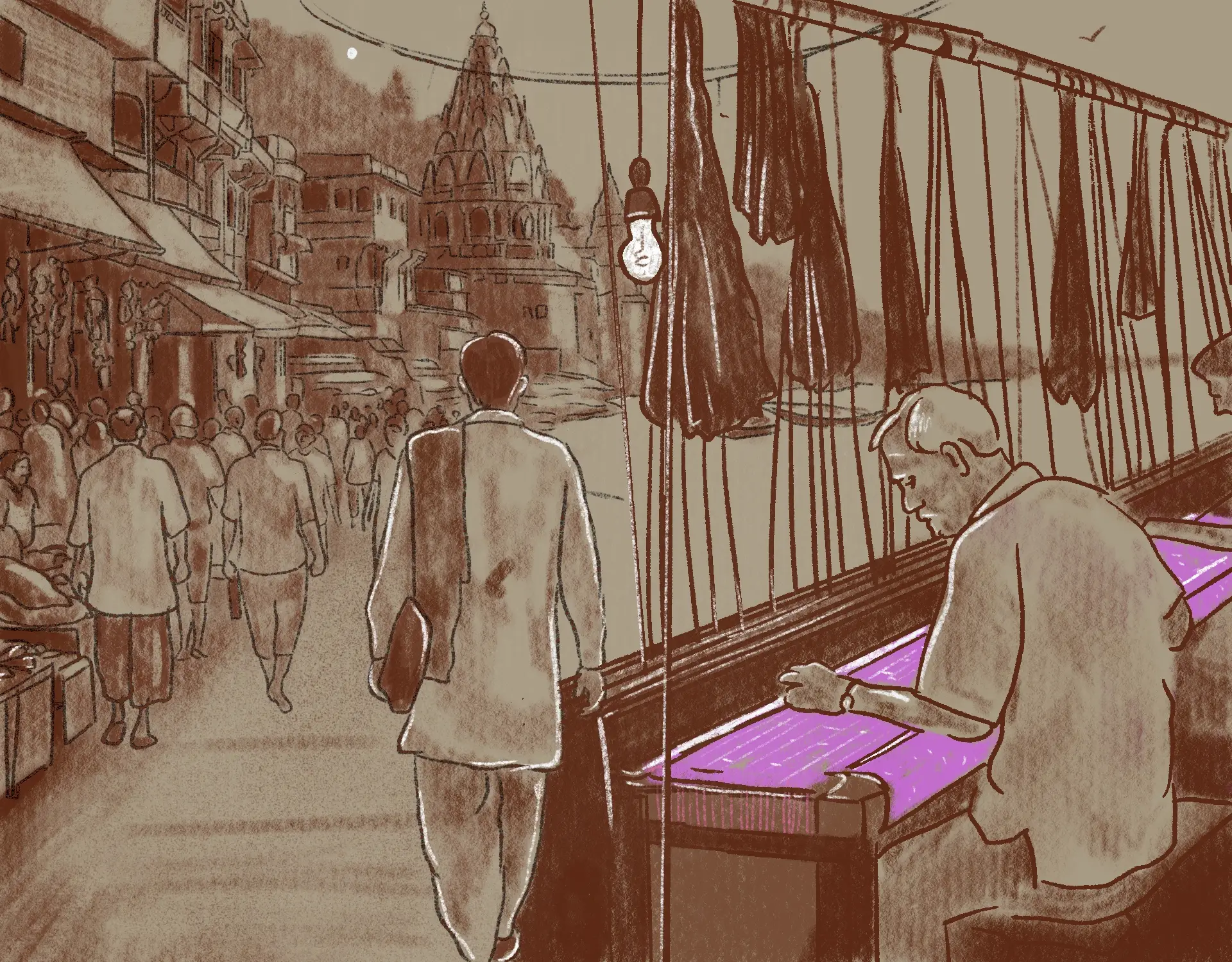
Arrival in Banaras (1959)

He joins the Weavers’ Service Centre, a new government experiment linking artists with artisans.
The city is hot, dense, filled with the metallic clang of looms.
He speaks little Hindi, and knows less about jacquards or brocade – but he listens.

Jadunath Supakar 04

Learning from the masters

Instead of teaching, he learns first.
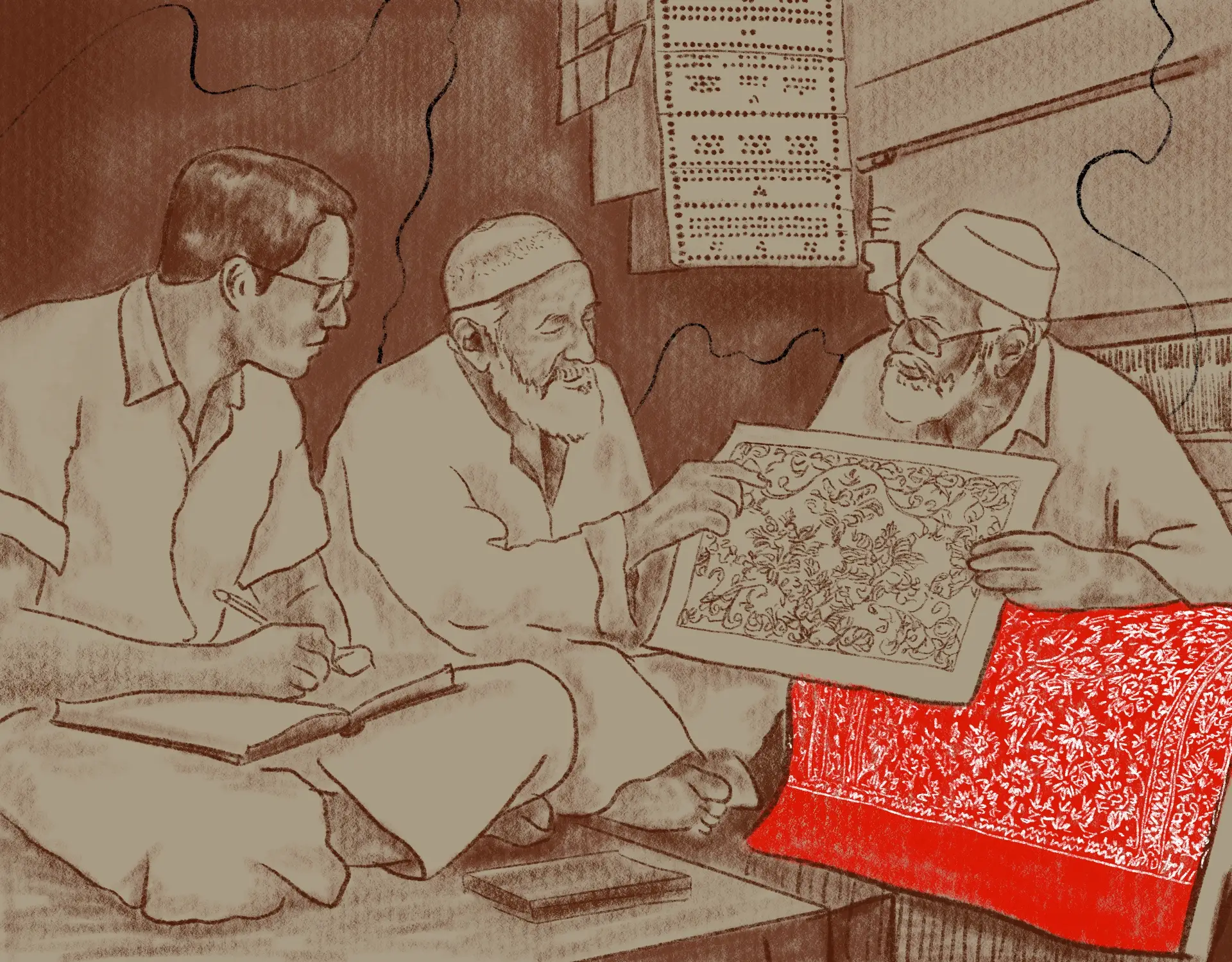
He spends weeks in the narrow lanes of Madanpura and Alaipura, sitting with old ustads.
They show him how a pattern travels from paper to perforated card to shimmering silk.

Jadunath Supakar 05

Drawing together

Around small wooden tables, Jadunath and the weavers sketch together.
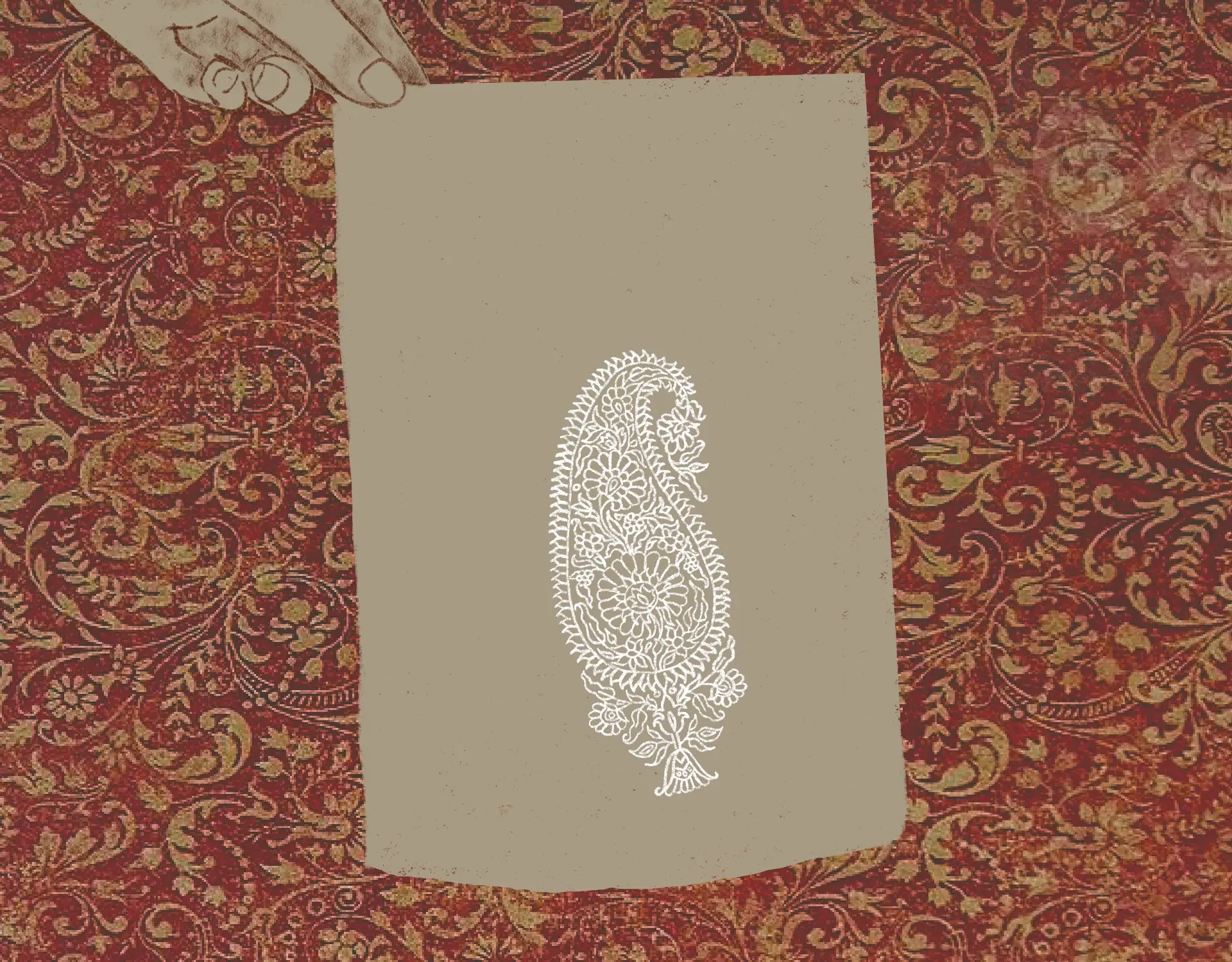
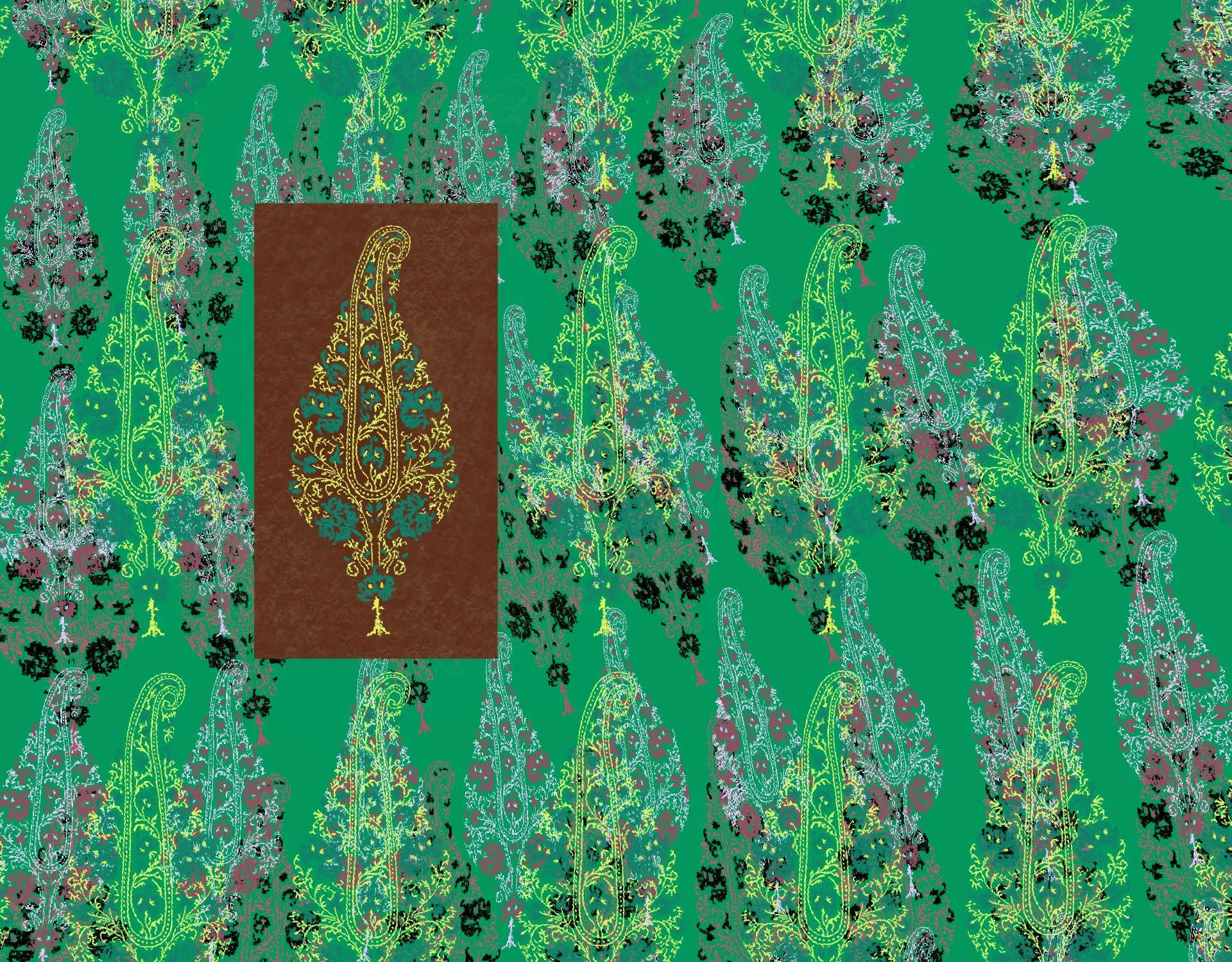
He redraws the paisley (konia) and butas they know so well – simplifying, enlarging, twisting.

Jadunath Supakar 06

The language of thread

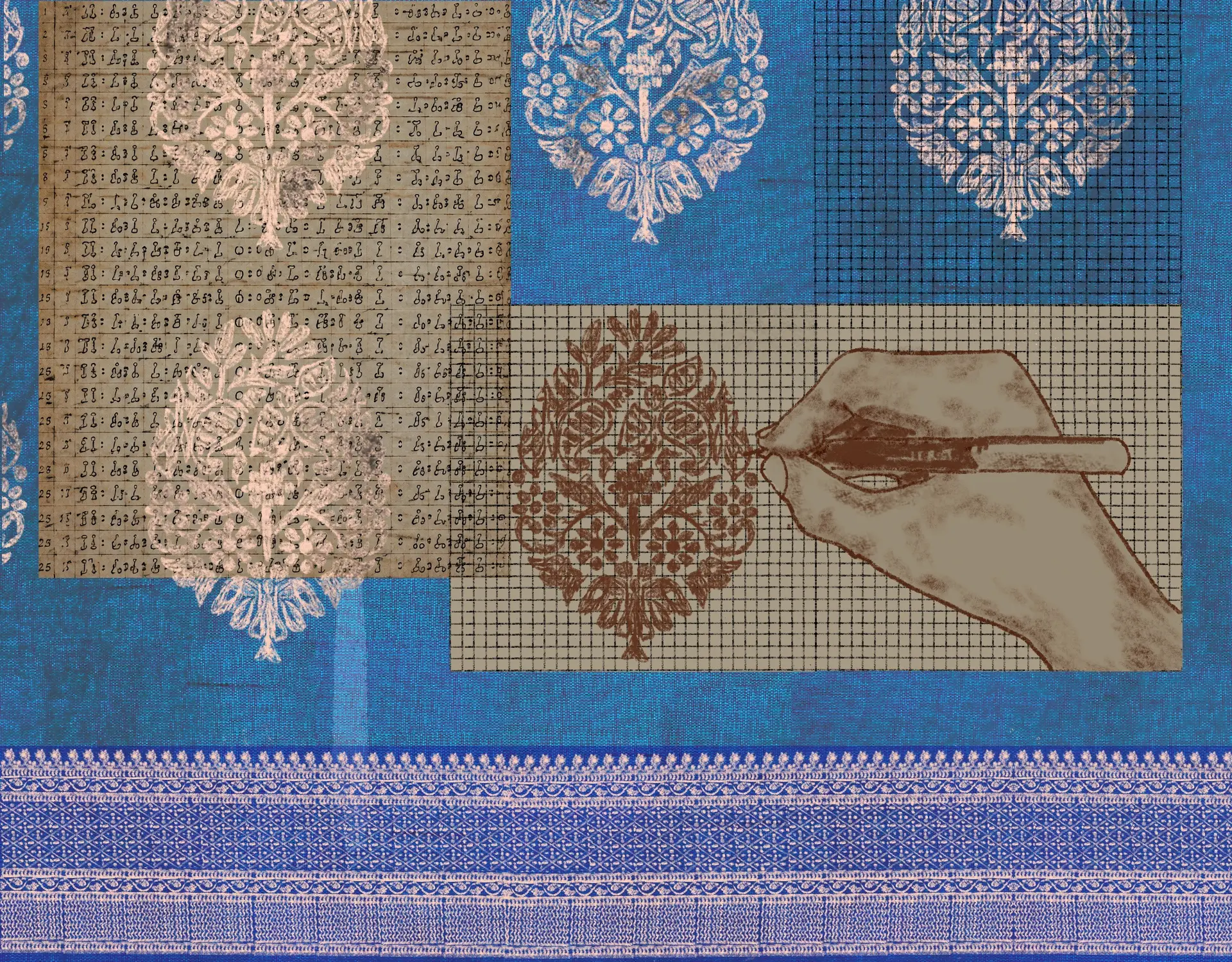
He learns the vocabulary of the loom – naksha, talim, mordant, sari border.
His drawings begin to breathe like woven cloth, full of rhythm rather than illustration. Santiniketan’s lyricism meets Banaras’s precision.

Jadunath Supakar 07

The Vishvakarma moment

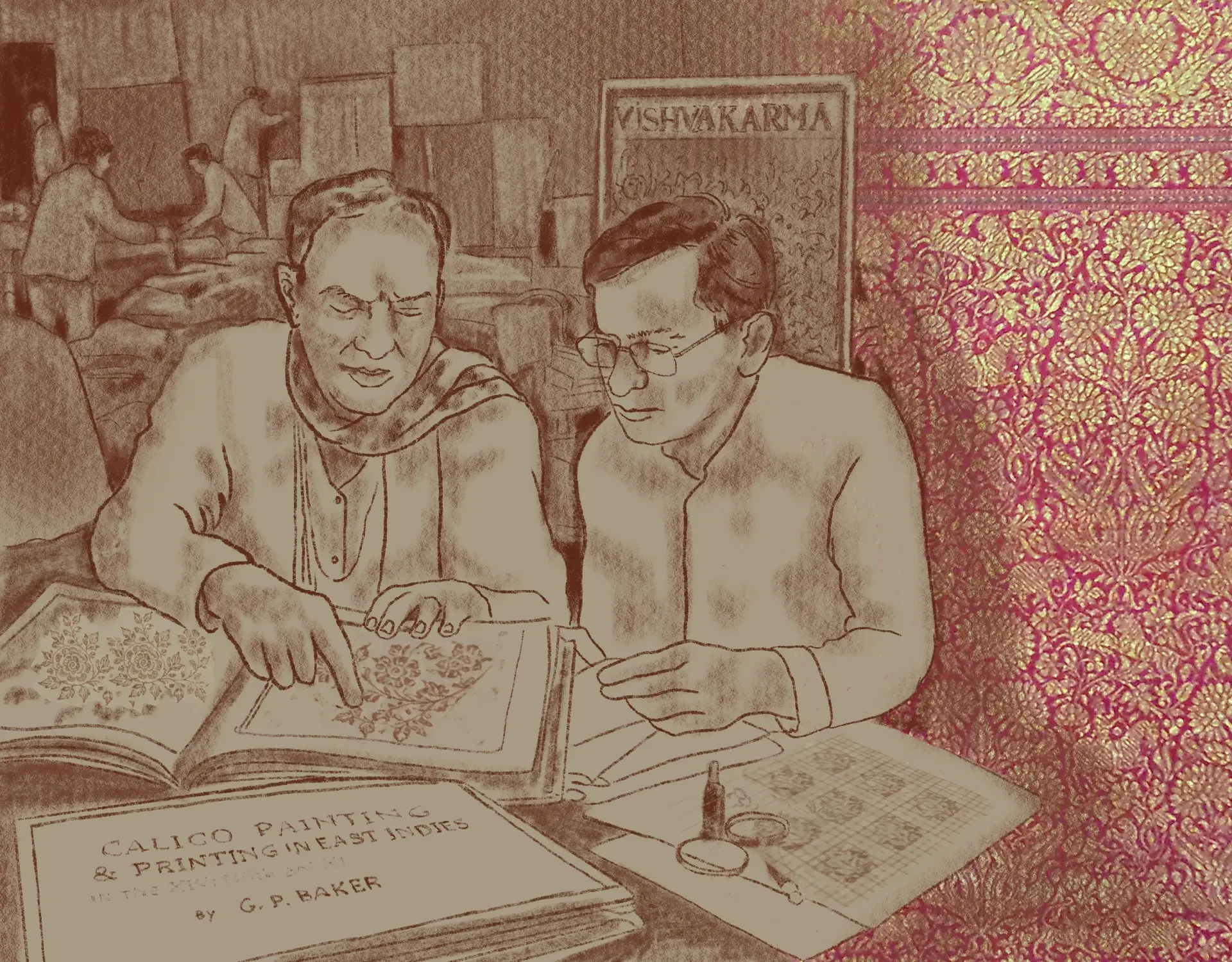
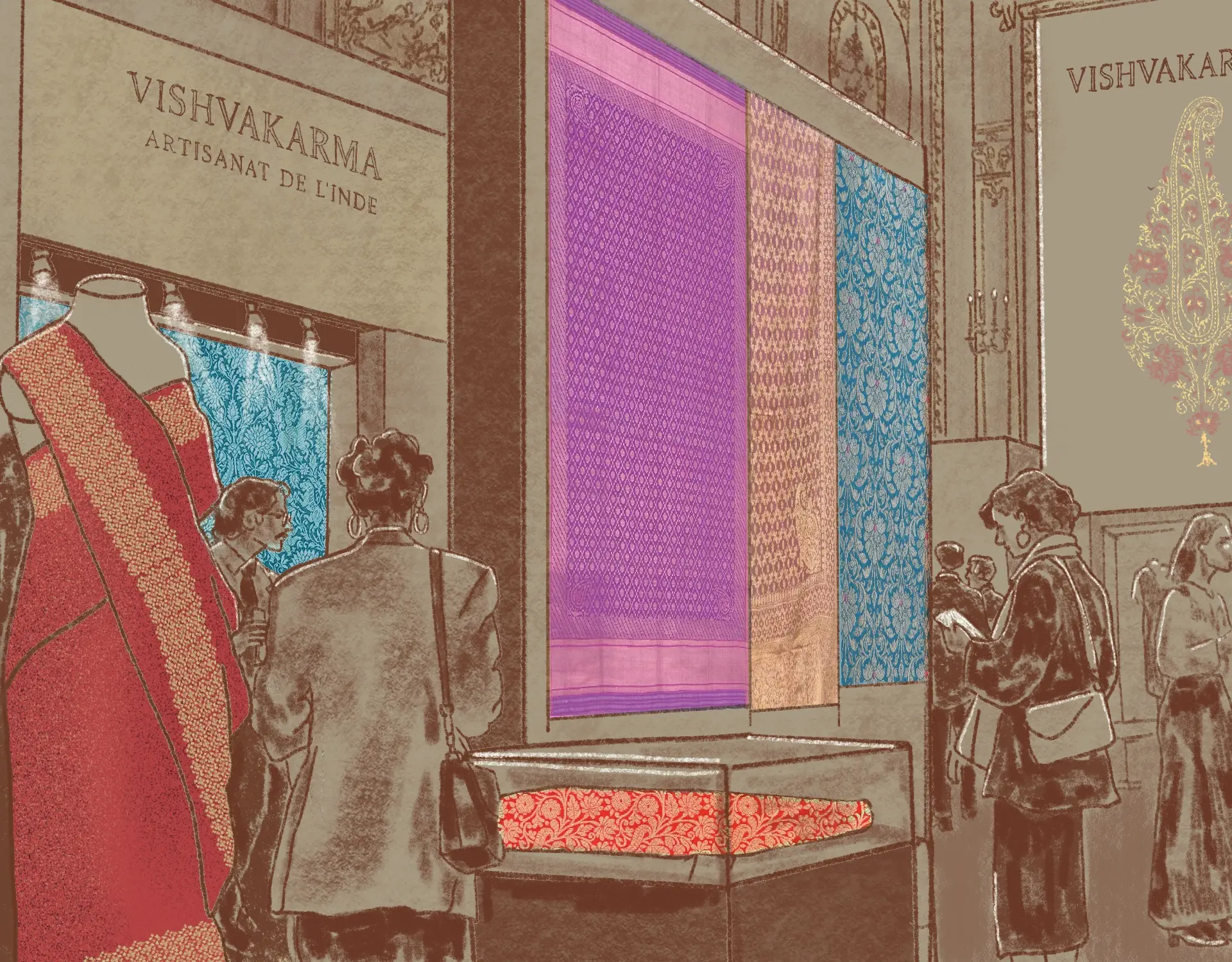
In the 1980s, his designs travel to Delhi and Paris through the Vishvakarma exhibitions.
Soft golds, faded pinks, and antique silvers shimmer under museum lights.
People begin to speak again of Banaras as a place of living design, not dying craft.

Jadunath Supakar 08

Collaboration as revival

Behind every brocade lies partnership:
Jadunath’s painted lines, Ali Hasan’s grid translations, Haji Moinuddin’s loom sense.
Together they make cloths that feel ancient yet new – proof that innovation can come from listening.

Jadunath Supakar 09

Echoes and imitations

Soon his patterns are copied across workshops; some true, some crude.
Government schemes celebrate him, but the deeper lesson of shared authorship is quickly forgotten.
Still, his spirit lingers in the shimmer of every woven flower.

Jadunath Supakar 10

Thread as memory

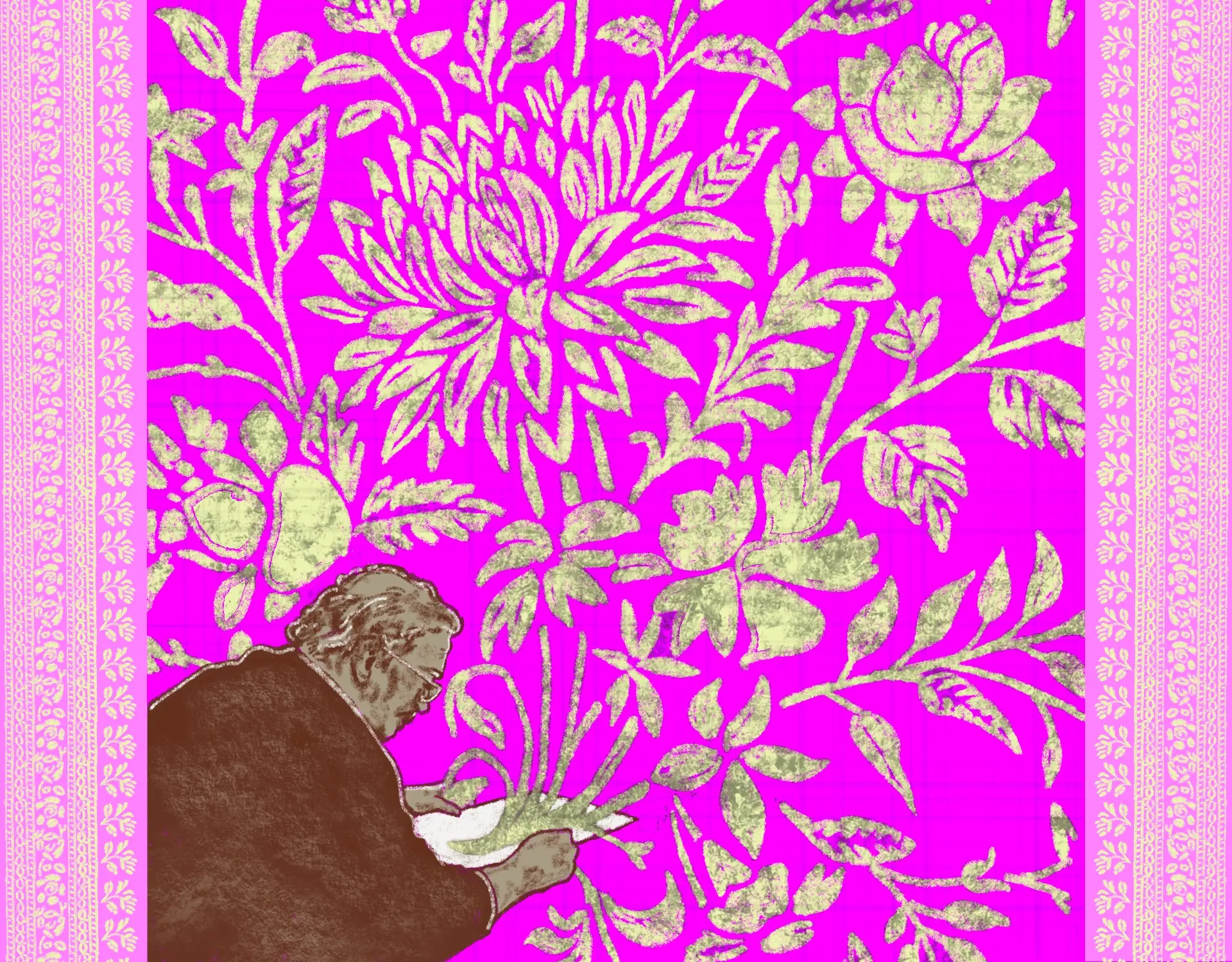
An old man now, he returns to sketchbooks filled with paisleys and grids.
Each line recalls a voice, a laugh, a loom beating in rhythm.
Jadunath Supakar leaves behind not just designs, but a way of working,
where art bends close to craft, and knowledge passes hand to hand, like thread.

Scroll to Top